Neuromorphic Computing

Low-power edge intelligence for advanced connectivity systems.

Adsum Digital explores event-driven sensing, efficient inference and resilient network operations for environments where conventional AI is too power-hungry, bandwidth-intensive or latency-sensitive.
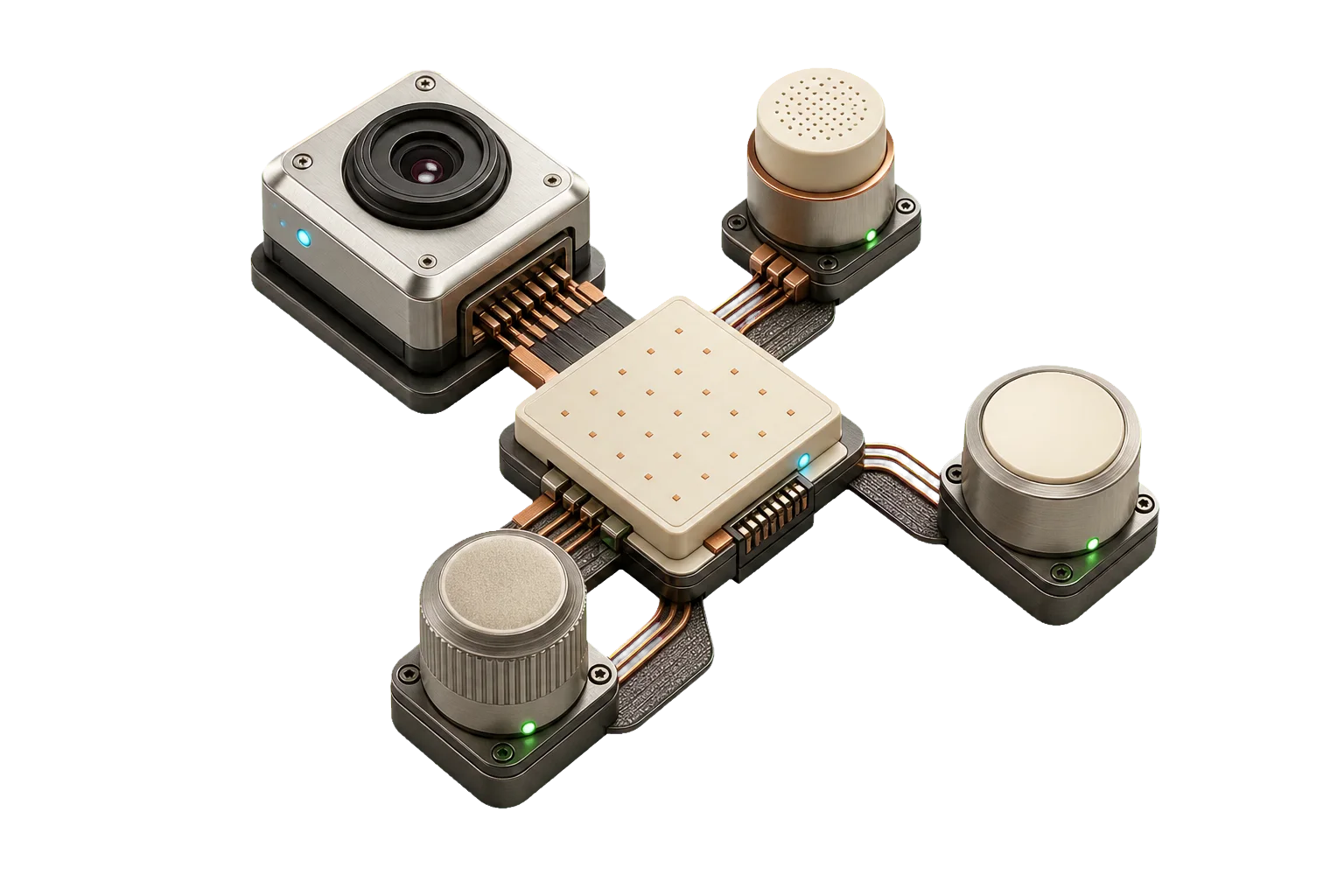
Event-driven sensor array linked to a neuromorphic edge processor
Event-Driven SensingLow-Power AIEdge InferenceAdaptive NetworksEvent-Driven SensingLow-Power AI
Spiking ModelsResilient MonitoringOn-Device IntelligenceSustainable ComputeSpiking ModelsResilient Monitoring

Why It Matters

Compute closer to the signal, with less energy and faster response.

Neuromorphic approaches can support connectivity systems that react to change, prioritise meaningful events and reduce the amount of data pushed back to central infrastructure.
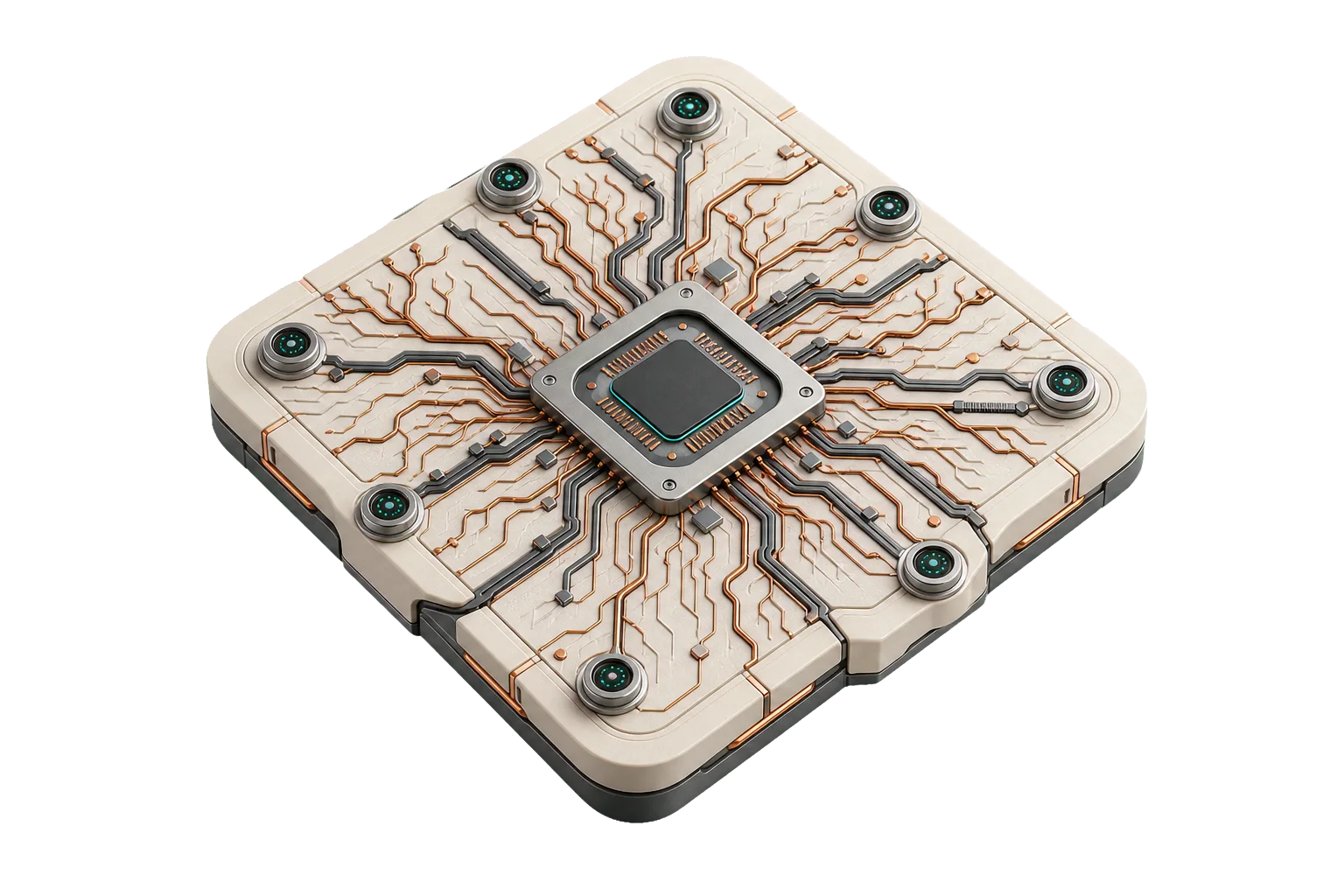
Neuromorphic processor with branching event-driven pathways

For telecoms and digital infrastructure, the opportunity sits around low-power edge monitoring, anomaly detection, adaptive sensing, spectrum awareness and AI operations that can continue under constrained connectivity conditions.

01

Event-driven sensing

Process changes in signal, traffic or environmental state as they happen, rather than continuously moving every raw data stream.

02

Efficient edge inference

Explore low-power AI concepts for sites, devices and distributed network assets where energy and latency matter.

03

Resilient monitoring

Support anomaly detection, disruption awareness and local decision support when central connectivity is degraded.

04

Sustainable compute

Frame AI capability around energy efficiency, lower data movement and more responsible infrastructure operation.

Technology Architecture

Neuromorphic capability needs a full edge-to-network design, not only an AI model.

Signal Layer

Event capture

Traffic, spectrum, sensor or device-state changes are treated as events so systems can focus compute on meaningful activity.

Compute Layer

Spiking and event-driven inference

Model concepts may include spiking neural networks, temporal encoding, sparse activation and local inference at edge nodes.

Network Layer

Low-data orchestration

Only prioritised outputs, alerts or confidence signals need to move across the network, reducing bandwidth and energy pressure.

Operations Layer

Human-governed response

Assurance workflows, thresholds, escalation rules and operator oversight keep automated response practical and auditable.

Connectivity Use Cases

Where neuromorphic thinking fits telecoms and infrastructure.

The strongest opportunities are edge-heavy, data-sensitive and power-constrained environments where continuous cloud-side analysis is inefficient.

RAN and site monitoringLocal anomaly detection for power, cooling, traffic and equipment-state changes.
Spectrum and interference awarenessEvent-based sensing for signal change, interference patterns and contested environments.
Industrial private networksLow-latency local inference for critical operations, logistics sites and distributed assets.
Resilient emergency connectivityEdge decision support when backhaul is degraded or cloud connectivity is unavailable.

Validation Metrics

Evidence has to compare neuromorphic value against conventional AI approaches.

Energy profilePower draw per inference, duty cycle, heat profile and battery or site-energy impact.
Latency and responseTime from event detection to local decision, alert or operator action.
Data movementReduction in transmitted raw data, backhaul dependency and cloud processing load.
Accuracy and confidenceDetection quality, false positives, missed events and model confidence under real operating conditions.
ResiliencePerformance during constrained bandwidth, intermittent connectivity, site disruption or noisy signal environments.

Neuromorphic Direction

Neuromorphic computing can help advanced connectivity systems sense, prioritise, infer and respond at the edge with lower energy demand and stronger operational resilience.

Delivery Roadmap

A practical path from concept to adoption evidence.

Opportunity scanIdentify where event-driven inference can outperform conventional monitoring on energy, latency, data movement or resilience.
Feasibility modelDefine candidate signals, edge constraints, data flows, risk assumptions, expected performance and integration boundaries.
Prototype evidenceCompare neuromorphic-inspired approaches against cloud AI or standard edge models using transparent validation metrics.
Commercial routeFrame adoption value for telecoms operators, infrastructure owners, private networks, partners and funders.